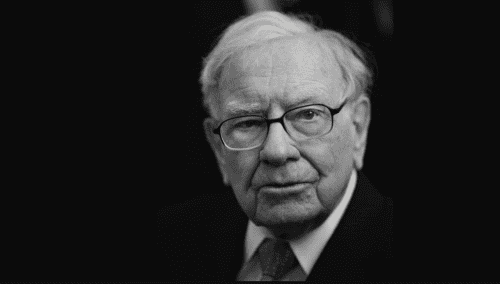
In 2008, Buffett wagered that low-cost passive investing would outperform Wall Street’s best active managers over a decade. The final score wasn’t close.
Hedge fund managers charge “2 and 20” fees (2% of assets plus 20% of profits), fly private, and sell the idea that their intelligence can beat the market. Warren Buffett had a different theory. In 2007–2008, he bet $1 million that a simple, low-cost S&P 500 index fund would outperform a hand-picked basket of hedge funds over 10 years.
The challenger was Protégé Partners, led by Ted Seides. They selected five “funds of hedge funds,” elite vehicles stuffed with top active managers. The bet ran from January 1, 2008, through December 31, 2017, with the winner’s pot (grown via zero-coupon bonds) going to charity. It was more than a wager; it was a philosophical test: passive investing against active management, low costs against high drama.
The Early Drama: 2008
Right out of the gate, the hedge funds looked like the smart pick. The financial crisis hit hard. Vanguard’s S&P 500 Admiral Shares plunged 37%. The hedge fund portfolio fell a more modest 23.9%. Their defensive positioning held up when markets tanked, and cumulative performance favored the pros.
The Comeback
Then the market recovered and kept climbing. Buffett’s index fund surged ahead year after year. By the end of 2016, one full year before the official finish line, the race was essentially over. Seides conceded in a Bloomberg op-ed before the clock ran out.
The final numbers: the S&P 500 index fund returned 125.8% over the decade, compounding at 7.1% annually. Protégé’s hedge funds averaged somewhere between 22% and 36% total depending on the fund, compounding at just 2.2% annually. A $1 million investment in the index fund grew to roughly $2.22 million. The hedge funds produced around $1.22 million. The hedge funds outperformed the index in exactly one year: 2008.
Why the Fees Won (Against the Investors)
Buffett’s core argument was always about costs. Hedge funds layer on management fees, performance fees, and, in a fund-of-funds structure, a third layer of fees on top of that. Those costs compound against you the same way investment returns compound for you. The S&P 500 index fund carried an expense ratio around 0.05%. The gap in net returns was almost inevitable.
In a decade defined largely by post-crisis recovery and a sustained bull market, broad market gains overwhelmed the defensive positioning that hedge funds rely on. Shorts and hedges that protect in downturns become a drag when markets run. Add the fee load, and catching up becomes a structural problem, not just a streak of bad luck.
The Charity Ending
The zero-coupon bonds held as collateral performed well enough that the pot grew beyond $2.2 million. All of it went to Girls Inc. of Omaha, which supports young women through education and mentorship programs. Buffett called the results “an eye-opener” in his 2017 letter to Berkshire shareholders.
What This Means for Your Portfolio
You don’t need to beat the market. You need to stop paying people who claim they can. A low-cost index fund tracking the S&P 500 has historically delivered solid long-term returns, and Buffett likes the structure enough to recommend it for his own wife’s inheritance.
The next time someone pitches an “exclusive” active strategy or a hedge fund with a compelling track record, ask what the all-in fee load looks like over 10 years. Fees are one of the few variables you can control. Buffett proved the point with $1 million, won for charity doing it, and the math has only gotten more favorable to index investors since.
Related Articles: Public Market Investment Platforms | Prediction Markets | Inheritance Tax Rules