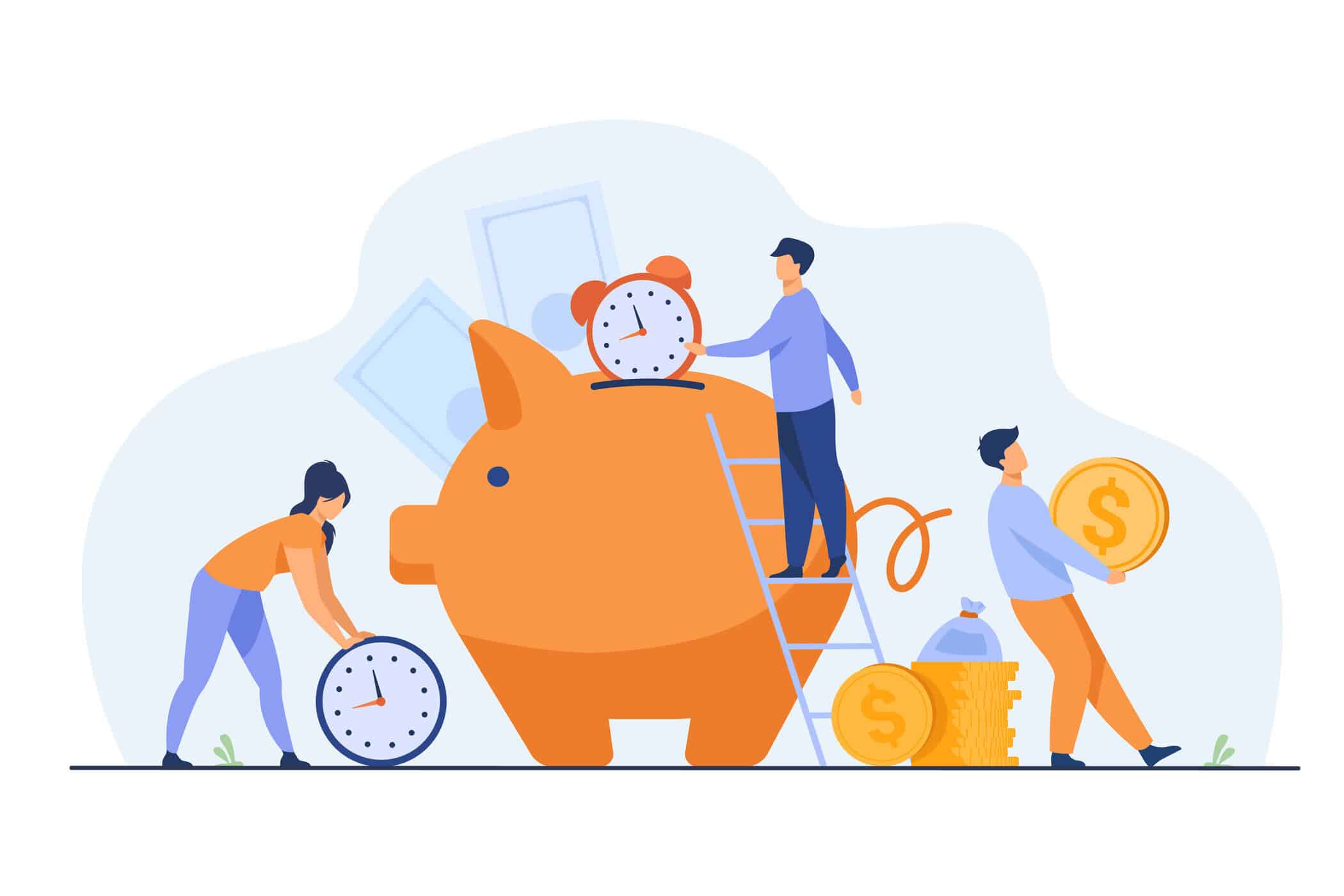
Pension funds are massive investment pools designed to provide retirement income for millions of workers. If you’re wondering what pension funds are, how they work, or why they matter in today’s economy, this guide breaks it down clearly.
Often called the “silent titans” of finance, pension funds manage trillions in assets globally, investing contributions from employees and employers to grow wealth over decades through stocks, bonds, real estate, private equity, and more. Their goal: deliver reliable retirement security via long-term compounding.
Pension Funds Definition: What Exactly Are They?
A pension fund is a professionally managed investment fund that accumulates contributions during an employee’s working years and pays out benefits in retirement. It acts as an institutional investor, pooling money to generate returns that fund future payouts.
There are two main types of pension plans (and their associated funds):
- Defined Benefit (DB) Plans – Traditional pensions. Employers promise a guaranteed monthly payment in retirement, calculated via a formula (e.g., salary × years of service × multiplier). The employer bears the investment risk, ensuring payments even if markets dip. These are common in public sector jobs and some older private plans.
- Defined Contribution (DC) Plans – Modern options like 401(k)s, 403(b)s, or IRAs. Contributions (from employee, employer, or both) go into an individual account, with the final retirement amount depending on investment performance and contributions. The individual assumes the risk.
In short: DB plans promise “what you’ll get”; DC plans focus on “what you put in.”
How Do Pension Funds Work? The Three-Phase Lifecycle
Pension funds follow a structured process:
- Inflows – Regular contributions from employees and/or employers (often payroll deductions).
- Accumulation – Professional managers invest the pool diversely, targeting long-term returns (historically ~7% annually) to outpace inflation and meet future liabilities.
- Distributions – Payouts to retirees, either as lifetime annuities (DB) or withdrawals from accumulated balances (DC).
Fund health is measured by the funded ratio (assets ÷ liabilities):
- 100% = surplus (healthy/overfunded)
- <100% = funding gap (may need adjustments like higher contributions)
2026 Snapshot: Pension Fund Health in the U.S.
After strong market performance in 2025–early 2026, funded ratios have improved significantly.
Pension Category | Estimated Funded Ratio (Early/Mid-2026) | Recent Trend | Outlook |
Public (State/Local) | ~81–82% | Upward (from ~78–80% in prior years) | Sustainable gains from market returns |
Corporate DB (Milliman 100 Largest) | ~109–110% | Strong increase (from ~108% end-2025) | Substantial surpluses; historically high |
Broader Corporate DB Aggregate | ~105–107% | Steady improvement | Overfunded and resilient |
Sources: Milliman Pension Funding Index (March 2026: 109.4%), Wilshire (Feb 2026: ~105.8%), S&P Global Ratings estimates for public plans.
Total U.S. retirement assets continue climbing, exceeding $48 trillion in recent years, driven by DC plans and market growth.
Why Pension Funds Matter in 2026
Pension funds are among the largest institutional investors worldwide, influencing markets and providing stability. While DB pensions offer guaranteed income (a key advantage over 401(k)s), the shift to DC plans puts more responsibility on individuals. For 2026, key updates include:
- 401(k) employee contribution limit: $24,500 (up from $23,500 in 2025).
- Catch-up contributions (age 50+): $8,000; “super” catch-up (ages 60–63, if plan allows): $11,250.
The Bottom Line
What are pension funds? They’re essential retirement vehicles that pool and invest savings to secure your future, whether through employer-guaranteed payouts (DB) or market-driven growth (DC). In 2026, with strong funded ratios and rising contribution limits, the system is robust, but success still hinges on early saving, diversification, and long-term discipline.
Whether you’re in a traditional pension or managing your own 401(k), understanding pension funds empowers better retirement planning. Start contributing early, stay diversified, and let time and compounding work in your favor.






Leave a Reply