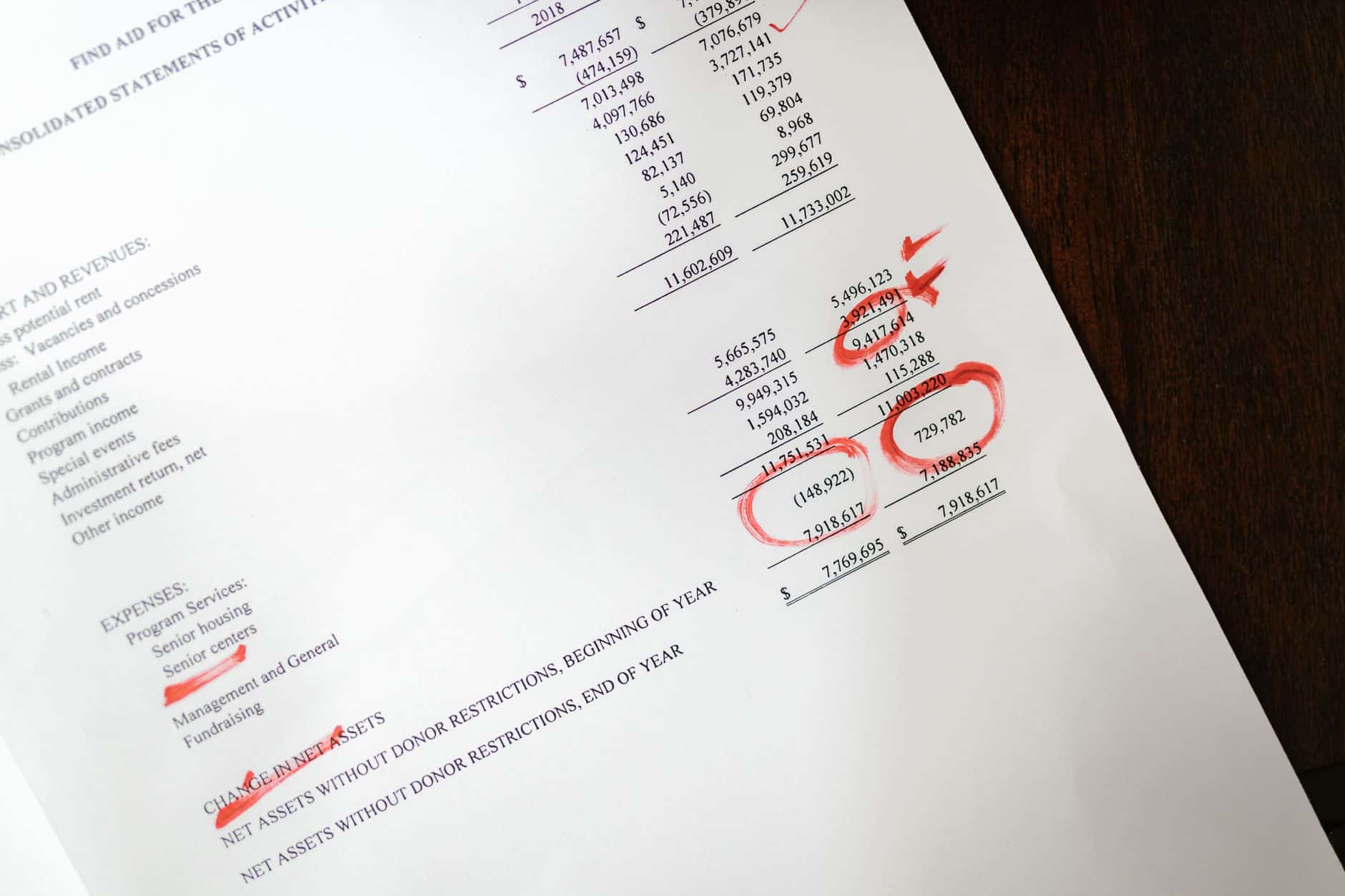
A single add-back can swing your sale price by millions, but only if it survives the buyer’s quality of earnings review.
A $500,000 add-back on a business that sells for six times EBITDA moves the enterprise value by $3 million. That is not a rounding error. It is the gap between a deal that funds your next chapter and one that leaves money on the table, and it turns entirely on whether a buyer’s accountant agrees with how you defined a normal year.
I have sat on both sides of that math, as an operator preparing a company for sale and as an angel investor reading someone else’s adjusted EBITDA. The add-back schedule is where I learned how much a clean number is worth, and how quickly an aggressive one collapses under scrutiny.
EBITDA add-backs, also called adjustments or normalizing adjustments, are specific expenses you add back to reported EBITDA to show what the core business actually earns under normal ownership. Buyers, lenders, and investors price deals on this adjusted figure rather than the raw one, which is why the schedule behind it gets fought over line by line. This is the most negotiated page in most small-business sales, and the one founders are least prepared to defend. Here is how add-backs work, which ones survive diligence, and where the rest fall apart.
What EBITDA Add-Backs Actually Are
An add-back is any expense that inflates your reported costs but would not exist for a new owner running the business normally. You add it back to EBITDA to reveal the true, ongoing earning power of the operation. The result is Adjusted EBITDA, and it is the figure that drives your valuation multiple.
Standard EBITDA already removes interest, taxes, depreciation, and amortization. Add-backs go a layer deeper, stripping out one-time, non-recurring, non-cash, and owner-specific items that distort what the business actually produces. The goal is the same one you chase when you study unit economics: get to the number that reflects how the core business performs, with the noise taken out.
Why Add-Backs Exist
Buyers pay for future cash flow, not your accounting history. A founder’s trailing financials are full of costs a new owner will never see: an above-market salary, a personal vehicle, a lawsuit that settled once and will not recur. Leaving those in understates the business, and that is the case a seller makes for adjusting them out.
The logic cuts both ways. The same adjustment that makes a seller’s number honest can make it fiction if the expense is not actually going away. That tension, between what genuinely disappears at closing and what a seller wishes would disappear, is the entire game.
The Most Common EBITDA Add-Backs
Most legitimate add-backs fall into a handful of categories. The table below covers the ones that show up in nearly every deal, along with why a buyer would accept each.
| Category | Common Examples | Why It Gets Added Back |
| Non-recurring / one-time | Restructuring costs, a legal settlement, disaster losses, pandemic-era expenses | Not expected to repeat under normal operations |
| Owner and related-party | Excess owner compensation, personal expenses run through the business (vehicles, travel, meals), above-market family salaries | A new owner will not carry these costs |
| Non-cash | Stock-based compensation, certain provisions and reserves | Reduces earnings without consuming cash |
| Discretionary / non-operating | Sponsorships, charitable donations, projects unrelated to the core business | Can be cut without harming operations |
| Transaction-related | Investment banking fees, legal and due diligence costs tied to the deal | One-time to the sale itself |
| Other normalizing | Abnormal bad debt, a one-time inventory write-down, a rent adjustment to a market-rate lease | Brings a distorted line back to normal |
The Owner Compensation Trap
Here is the mistake that costs sellers the most credibility: adding back their entire salary. Only the excess of owner pay over market rate is a legitimate EBITDA add-back. If you pay yourself $300,000 and a hired general manager would cost $200,000, you add back $100,000. The other $200,000 stays in, because the buyer has to pay someone to do your job, which is why what you pay yourself shapes this line directly.
This is also where EBITDA and SDE diverge. Seller’s Discretionary Earnings adds back the owner’s full compensation, because it assumes a single owner-operator runs everything. EBITDA assumes professional management is already in place, so it adds back only the excess. Smaller owner-operated businesses are usually valued on SDE; larger ones on EBITDA. Knowing which metric your buyer uses tells you which add-backs are even on the table.
From Reported to Adjusted EBITDA: A Worked Example
A simple bridge shows how the adjustments stack. Start with reported EBITDA, layer on each defensible add-back, and you arrive at the figure a buyer will actually underwrite.
| Line item | Amount |
| Reported EBITDA | $1,200,000 |
| Excess owner compensation above market | +$150,000 |
| One-time legal settlement | +$75,000 |
| Non-recurring product trade show launch | +$40,000 |
| Stock-based compensation | +$25,000 |
| Adjusted EBITDA | $1,490,000 |
At a six-times multiple, that $290,000 of add-backs is worth roughly $1.7 million in enterprise value. That is the whole reason this schedule gets scrutinized so hard.
Where Add-Backs Go to Die
Every number on your add-back schedule is an opening argument, not a fact. In any serious deal, the buyer commissions a quality of earnings (QoE) report, and an independent accountant rebuilds EBITDA from your general ledger and tests each adjustment against source documents. Add-backs that cannot be supported get reversed, and every reversal comes straight off the price.
A few patterns reliably kill add-backs. Vague “management adjustments” with no invoices behind them draw immediate skepticism. A “one-time” cost that also appeared last year and the year before is, by definition, recurring. Lenders are tougher still, since debt agreements often cap total add-backs at a fixed percentage of EBITDA and require documentation for each one, which matters whether you are selling or just borrowing against the business. The rule that survives every review is simple: add back only what is truly non-recurring and what a new owner genuinely would not incur.
The Bottom Line
Treat your add-back schedule the way a buyer’s accountant will, as a set of claims you have to prove rather than a wish list. Every dollar you can defend is multiplied by your valuation multiple, and every dollar you cannot is a re-trade waiting to happen. The founders who win this negotiation are the ones who documented their adjustments before the buyer ever asked.
If a sale is on your horizon, build the schedule now, while you can still gather the invoices and benchmark the salaries, and get a sell-side QoE before the buyer’s team writes the narrative for you. Then map what the proceeds will actually look like after tax, because a clean adjusted EBITDA is only worth something once you know how capital gains and a potential QSBS exemption shape what you keep.