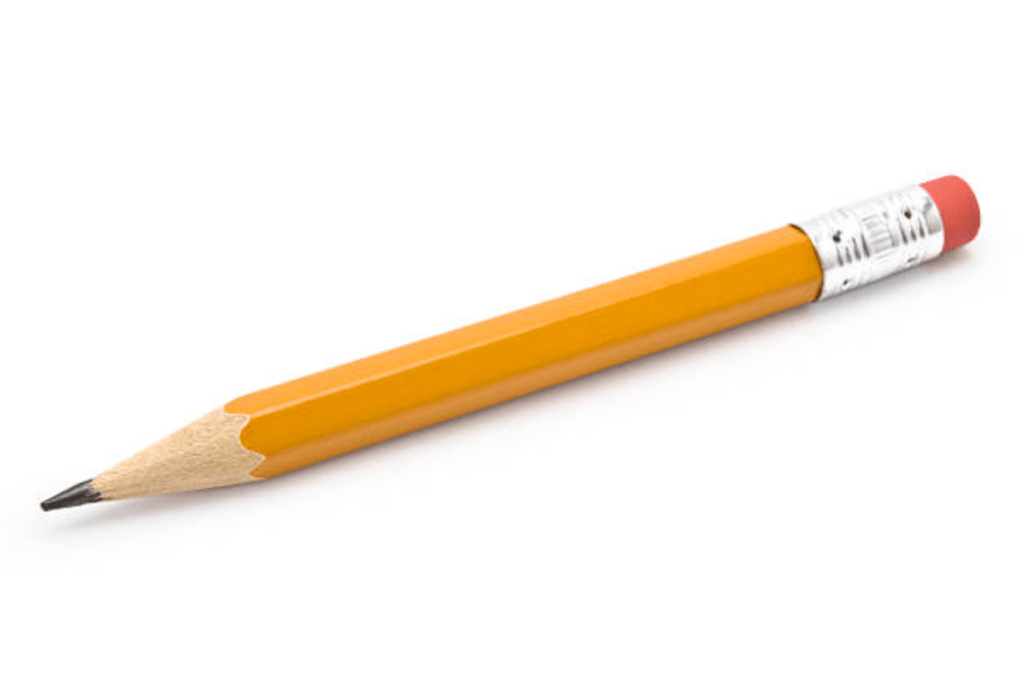
Have you ever stopped to think about a plain old pencil? It looks so simple. But making one needs help from people all over the world. This idea comes from a story called “I, Pencil,” written long ago. Today, it helps us understand why President Trump’s new tariffs might cause big problems.
What “I, Pencil” Teaches Us
The story is told by the pencil itself. It says, “Simple? Yet, not a single person on the face of this earth knows how to make me.”
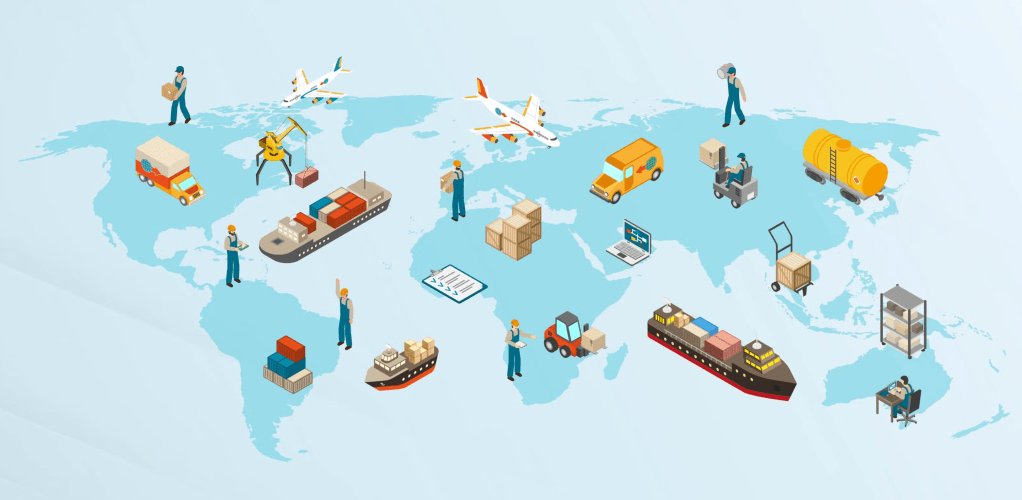
The pencil explains how it’s made. Wood comes from trees in places like Oregon. The “lead” is graphite from mines far away, mixed with clay. The eraser uses rubber from other countries. Even the yellow paint and metal band need stuff from around the globe.No one boss tells everyone what to do. Millions of workers – loggers, miners, truckers, and more – each do their small part. They don’t even know each other. But they work together because of free trade and prices that guide them. The pencil calls this the “Invisible Hand.” It means people trade freely and make things happen without a big plan from the top.
The lesson? Trust free people to create amazing things. Don’t let rules get in the way.
Pencils Today: A World-Wide Team Effort
Pencils still rely on a global supply chain. China makes most of them – over 80%. Graphite often comes from China too. Wood might be from Russia or the U.S. Erasers use stuff from Southeast Asia. Colors and coatings could come from Europe or India.
The U.S. buys billions of pencils from other countries each year.
This teamwork keeps pencils cheap and easy to get. But what if barriers pop up?
Trump’s Latest Tariffs: Shaking Things Up
In 2025, President Trump has ramped up tariffs. These are taxes on goods coming into the U.S. He started with a 10% tariff on imports from all countries in April.
Now, as of August, it’s gotten bigger. He hiked tariffs on Canada to 35%, Brazil to 50%, India to 25%, and more.
The average U.S. tariff rate might hit 18%.
Trump says this protects U.S. jobs and brings in money – about $1,300 more in taxes per family.
But markets dropped after the news, and experts warn of higher prices and slower growth.
How Tariffs Could Break the Pencil’s Magic
Think about the pencil. A 60% tariff on Chinese goods would make graphite cost way more. Canadian wood? Hit with 35% extra.
Companies might pay more or find new suppliers. That could mean fewer pencils or higher prices at the store.It’s not just pencils. Tariffs hurt supply chains for cars, phones, and food. They act like a bossy hand, messing with the Invisible Hand. Other countries might fight back with their own tariffs, making trade harder.
Even Elon Musk spoke up. In April, he shared a video about the pencil to show why tariffs are bad. He wants free trade zones with no tariffs.
Musk’s companies, like Tesla, need parts from everywhere. He thinks steady rules help business more than sudden changes.
Why We Should Listen to the Pencil
“I, Pencil” ends with a warning: Let people be free to create. “Permit these creative know-hows freely to flow.”
Tariffs might help some jobs, but they could hurt many more. They raise costs and slow down the teamwork that makes our world work.Next time you pick up a pencil, remember the global friends who made it. Do tariffs help or hurt that friendship? What do you think? Share below!

 DailyDime
Leave a comment